
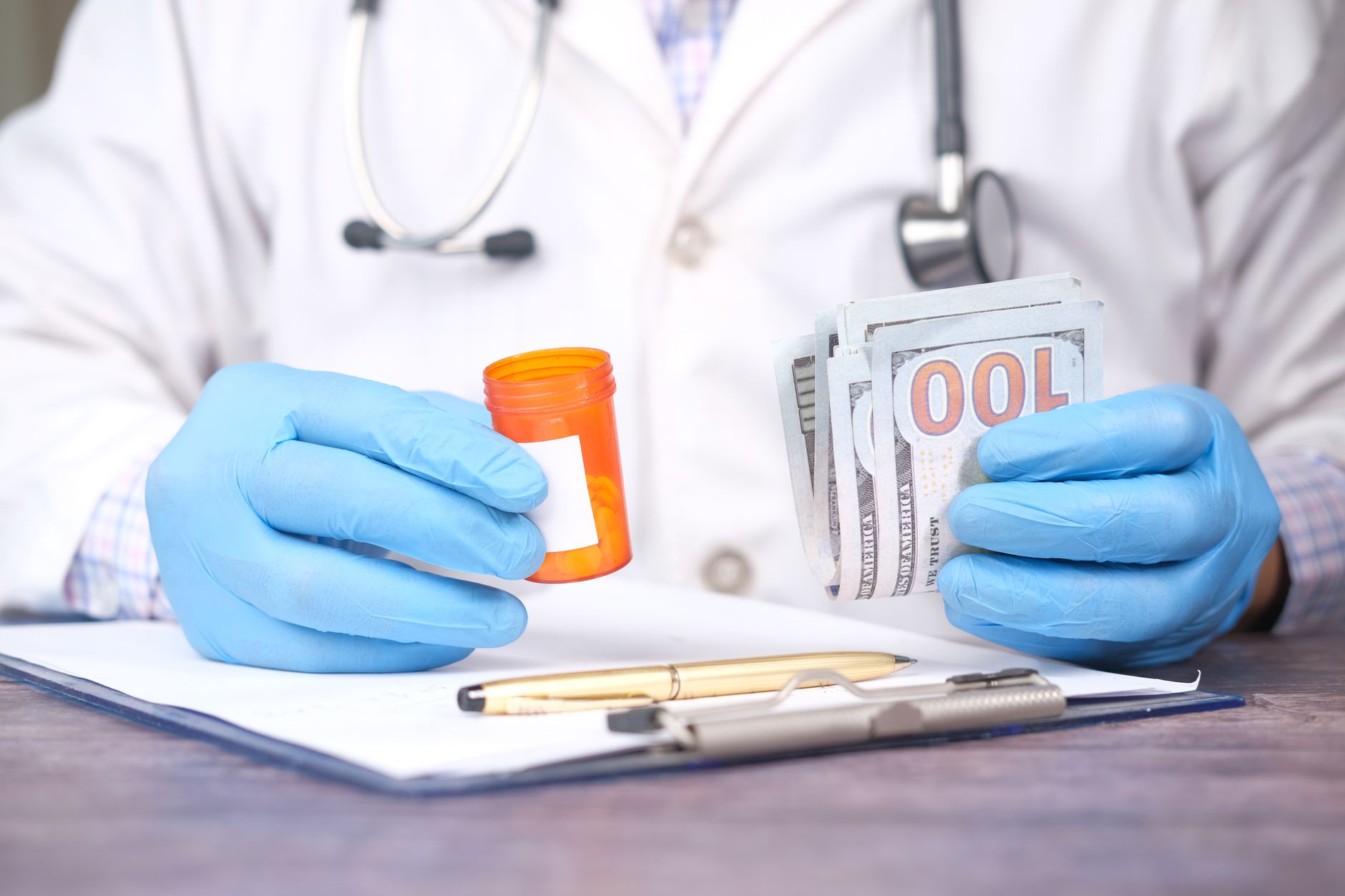
Generic drug prices are expected to fall 16%, putting pressure on the pharmaceutical industry to restructure. This shift raises questions about the impact on product sales and mergers and acquisitions.
Impact of Generic Drug Prices on Consumers
The impact of generic drug prices on consumers is a growing concern as healthcare costs continue to rise. With many patients relying on these alternatives to brand-name medications, fluctuations in prices can significantly affect their ability to access necessary treatments.
According to recent reports, generic drug prices are projected to fall by 16%, offering some relief to patients. However, this reduction may not be enough to alleviate the overall financial burden faced by consumers. Many individuals still struggle with the costs associated with their prescriptions, leading to difficult choices between medication and other essential expenses.
Key factors contributing to the current state of generic drug prices include:
- Market Competition: Increased competition among manufacturers can lead to lower prices, but not all drugs benefit equally from this dynamic.
- Regulatory Challenges: The approval process for new generics can be lengthy and complex, delaying the introduction of more affordable options.
- Supply Chain Issues: Disruptions in the supply chain can impact availability and pricing, creating further uncertainty for consumers.
As the pharmaceutical industry faces pressure to restructure, consumers remain hopeful that improvements in generic drug prices will ultimately enhance access to essential medications and improve overall health outcomes.
Pharmaceutical Industry Restructuring
The pharmaceutical industry is currently undergoing significant restructuring as it grapples with the challenges posed by generic drug prices. With recent reports indicating a potential 16% decrease in these prices, industry leaders are feeling the heat to adapt their strategies and operations. This shift could have far-reaching implications for both pharmaceutical companies and consumers alike.
In response to the pressures from regulators and the public, companies are exploring various avenues to maintain profitability while ensuring affordable access to medications. Some of the tactics being employed include:
- Increased product sales: Firms are focusing on enhancing their marketing efforts and optimizing their supply chains to boost sales of both generic and branded products.
- Mergers and acquisitions (M&A): Companies are looking to consolidate resources through M&A, which can lead to reduced operational costs and increased market share.
- Investment in innovation: By investing in research and development, companies aim to create new drugs that can command higher prices, offsetting the impact of declining generic drug prices.
As the industry responds to the evolving landscape, the balance between maintaining profitability and ensuring affordable access to medications remains a critical concern. The ongoing restructuring efforts will likely shape the future of pharmaceutical pricing strategies, particularly in the realm of generic drugs.
Why Are Generic Drug Prices Falling?
The recent decline in generic drug prices has raised questions about the underlying factors contributing to this trend. Several key elements are shaping the current landscape of generic pharmaceuticals, leading to a noticeable decrease in prices.
- Increased Competition: The surge in the number of manufacturers producing generic drugs has intensified competition in the market. When multiple companies enter the market for the same medication, prices tend to drop as they vie for market share.
- Regulatory Changes: Recent regulatory reforms have aimed to streamline the approval process for generic drugs. By reducing the barriers for entry and expediting approvals, these changes have enabled more generics to reach consumers faster, contributing to lower prices.
- Market Consolidation: The pharmaceutical industry is undergoing significant restructuring, with mergers and acquisitions becoming more common. This consolidation can lead to economies of scale for generic producers, allowing them to offer lower prices.
- Consumer Demand: As more consumers become aware of the cost differences between brand-name drugs and their generic counterparts, demand for generics has risen. This increased demand encourages manufacturers to keep prices competitive.
While falling generic drug prices may seem beneficial, stakeholders must remain vigilant about the potential long-term implications for quality and access in the pharmaceutical market.
Future of Drug Pricing Strategies
The future of drug pricing strategies is becoming increasingly complex as the pharmaceutical industry adapts to changing market dynamics and consumer expectations. With the recent announcement that generic drug prices are projected to fall by 16%, many analysts are speculating about the long-term implications for both consumers and manufacturers.
As competition intensifies, pharmaceutical companies are being pressured to innovate their pricing models. This could involve a shift towards value-based pricing, where the cost of a drug is aligned with the health outcomes it delivers. Such a strategy would require rigorous data collection and analysis to demonstrate the effectiveness of generics compared to their brand-name counterparts.
Additionally, mergers and acquisitions (M&A) within the industry are likely to shape future drug pricing strategies. Companies may seek to consolidate their resources, allowing them to negotiate better prices and streamline operations. This restructuring could lead to a more competitive environment, ultimately benefiting consumers.
Furthermore, regulatory bodies are becoming more vigilant in overseeing pricing practices. Policies that promote transparency could help consumers make informed choices about their medications. As a result, the spotlight on generic drug prices may lead to greater accountability within the pharmaceutical sector.
In conclusion, the landscape of drug pricing is evolving, with a focus on affordability and accessibility for consumers, while simultaneously encouraging innovation within the industry.
Photo by Towfiqu barbhuiya on Pexels
Sources
Related stories
- Is the Hemophilia A drug the Best Proven Treatment?
- HLB Pep Ingredient Approval: A Proven Success in Korea
- Midazolam Nasal Spray: Proven Price Control Exemption Granted