
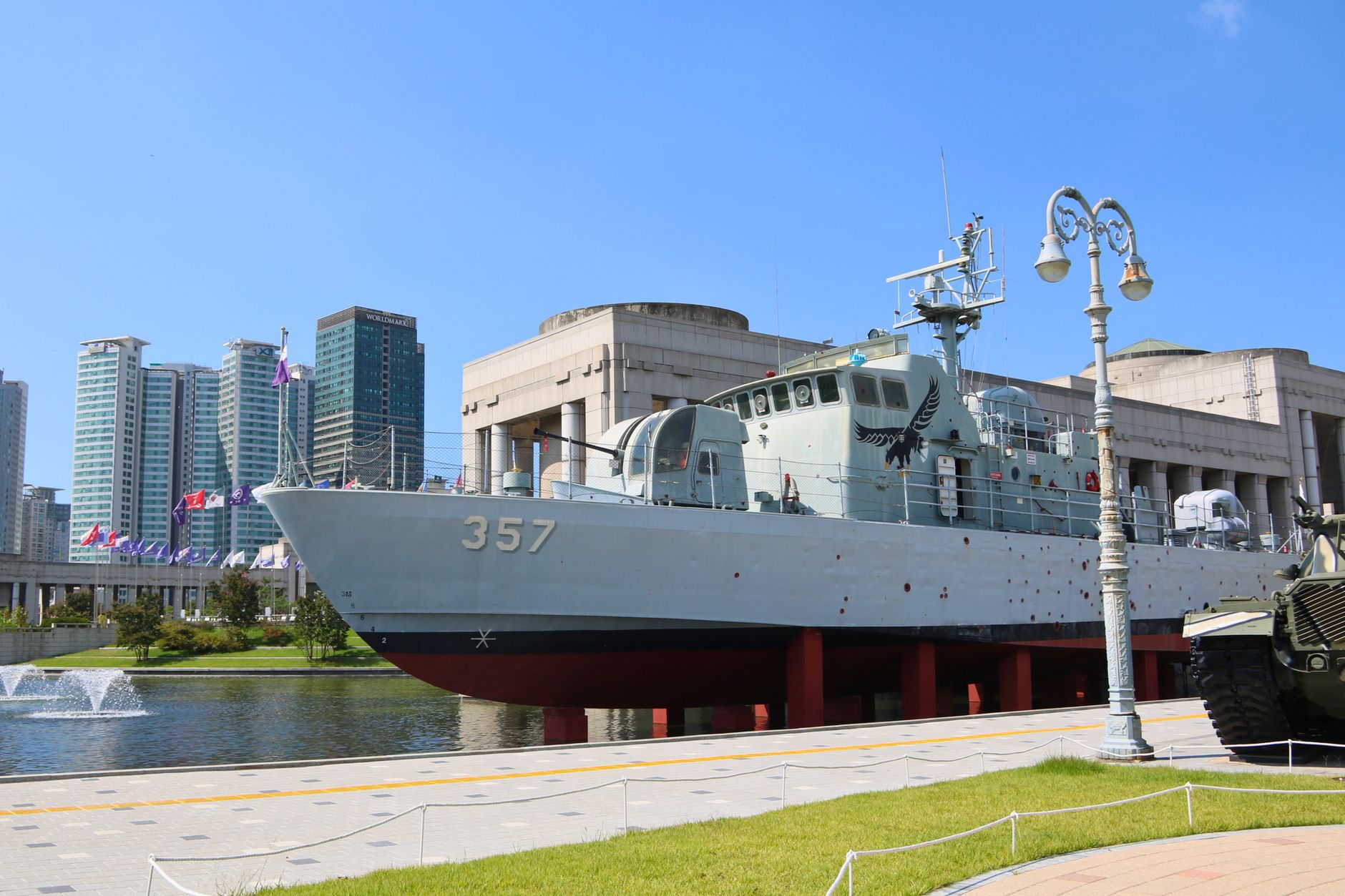
Iran South Korea assets are in jeopardy as Iran issues a stark warning about potential repercussions if Seoul participates in the Hormuz mission. This escalating situation raises concerns about regional stability and economic impacts.
Understanding the Iran South Korea Tensions
The ongoing tensions between Iran and South Korea have escalated recently, primarily revolving around the issue of Iranian assets in South Korea. This conflict has its roots in the broader geopolitical landscape, where Iran perceives any involvement from South Korea in military operations in the Strait of Hormuz as a direct threat to its sovereignty.
Iran has issued stark warnings regarding potential repercussions for South Korean interests should Seoul decide to participate in coalition missions aimed at maintaining security in the vital shipping lane. This has raised concerns among South Korean officials about the safety of their investments and assets in Iran.
Key issues contributing to the strained relations include:
- Frozen Assets: Iran’s funds in South Korean banks have been inaccessible due to sanctions.
- Military Alliances: South Korea’s alignment with U.S. military strategies in the region.
- Diplomatic Relations: The need for dialogue to resolve asset disputes and reduce tensions.
These factors significantly impact the security landscape for Seoul.
Implications for South Korean Investments
The recent tensions between Iran and South Korea have raised significant concerns regarding the implications for South Korean investments in the region. With Iran threatening to target South Korean assets should Seoul participate in military missions in the Strait of Hormuz, the financial stakes have never been higher.
Investors are now left questioning the safety of their investments in Iran, particularly in key sectors such as:
- Energy
- Manufacturing
- Infrastructure
South Korean companies, which have established a strong foothold in the Iranian market, may face severe repercussions if diplomatic relations continue to deteriorate. The Iranian government has shown a willingness to leverage economic pressure to achieve its geopolitical aims, making it imperative for South Korea to carefully navigate this complex landscape.
As discussions surrounding military involvement intensify, South Korean policymakers must weigh the potential risks to their national security against the economic benefits derived from their investments in Iran.
Iran’s Warning Explained
In a recent statement, Iran issued a stern warning regarding its assets in South Korea, emphasizing that any involvement by Seoul in military operations in the Strait of Hormuz would trigger severe repercussions. This ultimatum reflects Iran’s growing frustration with what it perceives as interference in its regional affairs.
The Iranian government has underscored that such participation by South Korea could jeopardize critical economic ties and lead to the potential freezing or seizure of South Korean assets. This warning serves as a reminder of the fragile balance within the geopolitics of the region, where economic interests are often entangled with security concerns.
Iran’s stance appears to be a calculated move to deter South Korea from aligning with Western military initiatives. Iranian officials have reiterated that the security of the region is paramount and that any perceived threats would be met with strong resistance.
As tensions escalate, the implications for South Korea’s investments and economic stability remain uncertain, raising questions about the future of Iran-South Korea relations.
Historical Context of Hormuz Mission
The ongoing tensions between Iran and South Korea have deep historical roots, particularly in the context of regional security and economic interests. The Iran South Korea assets situation has escalated significantly since the announcement of the Hormuz mission, a multinational initiative aimed at ensuring the safety of shipping lanes. Historically, these waters have been a flashpoint for international disputes, often drawing in countries with vested interests.
In recent years, South Korea has maintained a cautious approach towards its dealings with Iran, balancing its economic ties while adhering to international sanctions. The announcement of South Korea’s potential involvement in the Hormuz mission prompted strong reactions from Tehran, as Iranian officials warned that any participation could jeopardize South Korean assets within its borders.
This historical context illustrates the delicate interplay between national security and economic diplomacy, highlighting the broader implications of military alliances in the region. As tensions rise, the stakes for South Korea could be significantly impacted, particularly regarding their investments in Iran.
Potential Outcomes for Regional Security
The escalating tensions between Iran and South Korea over the potential involvement of Seoul in the Hormuz mission could have significant implications for regional security. As Iran threatens South Korean assets, the possibility of retaliatory measures raises concerns among neighboring countries about the stability of the region.
Should South Korea proceed with its participation, it risks not only its investments but also the safety of its citizens abroad. The Iranian government’s aggressive stance highlights the potential for a broader conflict, which could draw in other regional players and disrupt trade routes critical to global commerce.
Furthermore, this situation may lead to increased military posturing from both sides. The prospect of further sanctions or military confrontations could destabilize the already fragile balance in the region. The South Korean government must carefully weigh the potential outcomes of its actions, as the stakes are high, and the ramifications may extend beyond its immediate borders.
In this delicate geopolitical landscape, the protection of Iran South Korea assets becomes a critical concern for Seoul.
The ongoing tensions surrounding Iran South Korea assets highlight the complex geopolitical landscape in which Seoul operates. As these Iran South Korea assets become a focal point for negotiations, the implications for national security are becoming increasingly concerning.
Photo by Bruna Santos on Pexels
Read the original
Related stories
Cricket crisis lessons: What can India learn from Pakistan? · Cancer Horoscope Today: Best Simple Insights for September 4 · Iran war elections: The worst reality Republicans face